
Boots have always carried a story—woven between function and fashion, grit and glamour. Once forged in the fires of necessity, shielding soldiers and laborers from the harshness of the world, boots were born out of survival and strength. Yet beneath their rugged exterior lay whispers of status and style, as noble feet began to lace themselves into finely crafted leather, adorned with delicate embroidery and subtle flourishes.
As the world shifted, so too did the meaning of boots. The Industrial Revolution transformed them from rare treasures into everyday essentials, crafted with newfound precision and made accessible to more women than ever before. From protection to expression, boots stepped beyond their utilitarian roots to become powerful symbols of identity, resilience, and bold femininity.

Boots And Wartime Restrictions

For much of history, women’s boots were inseparable from the saddle, worn primarily for the practical demands of horseback riding—a symbol of both utility and quiet elegance. Yet, as the late 18th century unfolded, boots began to tread a new path. No longer confined to horseback, they became the footwear of choice for walking and cycling, marking a subtle revolution in women’s mobility and independence. As skirt hems lifted and boot shafts stretched skyward, boots transformed from protective gear into bold statements of style and self-assurance.
But history’s harsh hand soon intervened. The ravages of war turned supple leather from luxury to necessity, and in 1917, England, a decree cut boot heights to a modest eight inches. Fashion bowed to the weight of conflict, a reminder that even the most elegant trends must sometimes yield to the urgent demands of the world beyond.
The 20th century saw boots shed their purely utilitarian roots to become emblematic icons of style and self-expression. Women’s boots evolved into a vibrant language of fashion, from the rugged resilience of sturdy work boots to the daring allure of sleek, high-heeled silhouettes that commanded attention with every step. Designers, unbound by convention, wove innovation into leather and fabric, experimenting boldly with new materials, textures, and colors. Boots became not just footwear, but a canvas for creativity, reflecting the changing spirit and freedom of the modern woman.
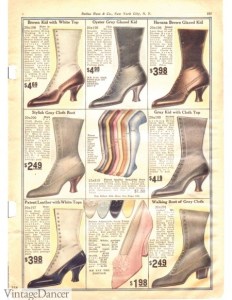
For centuries, boots lingered in the shadows of fashion—sturdy guardians of the rough and rugged, forged for soldiers, laborers, and adventurers who braved the elements. Their leather, costly and rare, was a luxury reserved for necessity or privilege, not style. Boots bore the weight of cultural conventions, long tethered to masculinity, and only gradually did women dare to slip into their sturdy embrace.
Design, too, was bound by limitation, constrained by the humble tools and materials of the past, and so it was that boots struggled to marry function with flair. Yet, like slow-burning embers beneath the surface, boots began to stir, evolving beyond their practical origins.
Now, boots stand at the crossroads of history and desire. From the steadfast work boots that echo with stories of grit and endurance, to the sleek, high-heeled shapes that whisper of power and seduction, boots have risen. They are no longer just protection but proclamation, an enduring symbol of boldness, grace, and transformation.
It is difficult to pinpoint the first boot designer that rocked the world of fashion, as there have been many influential designers throughout history who have contributed to the evolution of boots as a fashionable footwear option. Here are a few designers who are widely recognized for their contributions to the world of fashion boots:


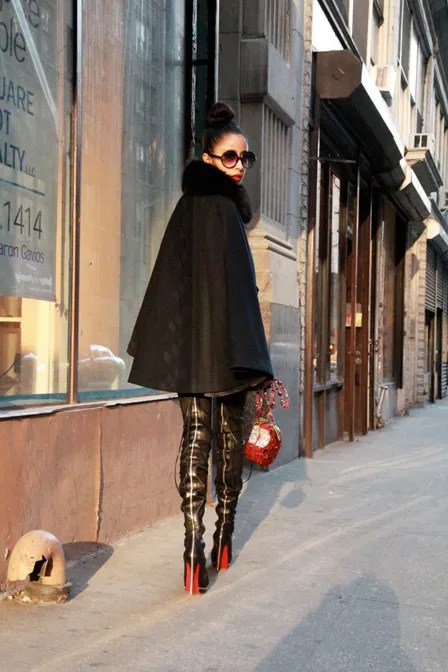
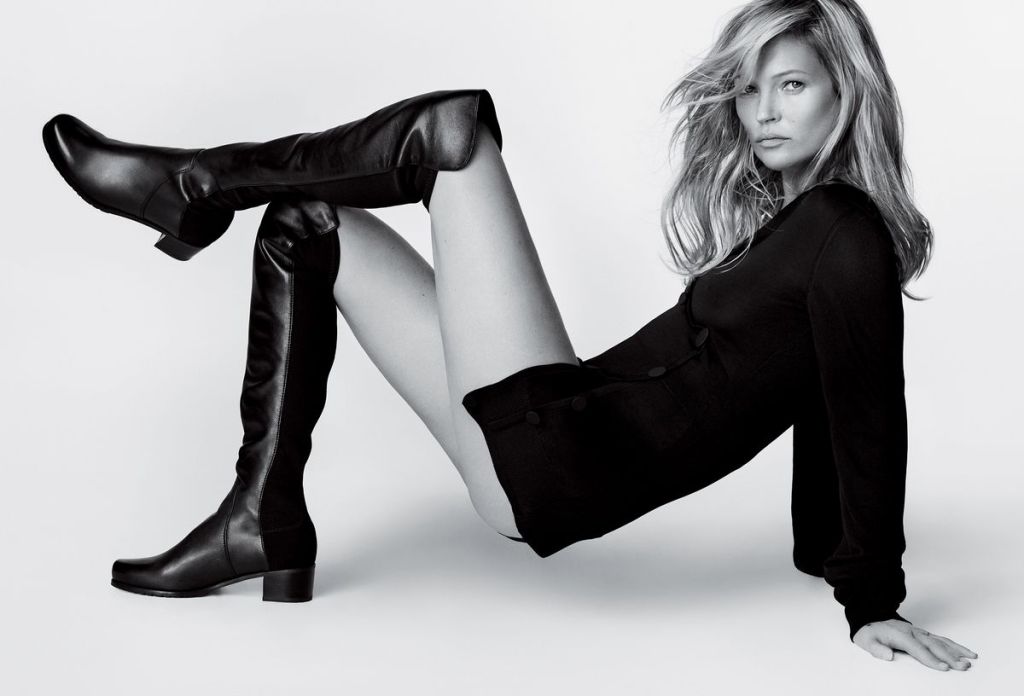

- Roger Vivier: A French shoe designer who is credited with popularizing the stiletto heel in the 1950s. Vivier also designed a range of high-heeled boots that became popular among celebrities and fashion icons.
- Nancy Sinatra and Beth Levine: In the 1960s, Nancy Sinatra’s hit song “These Boots Are Made for Walkin'” helped popularize knee-high boots, which were designed by American footwear designer Beth Levine.
- Manolo Blahnik: A Spanish fashion designer who is best known for his high-end women’s shoes, including a range of stylish and luxurious boots.
- Christian Louboutin: A French fashion designer who is famous for his red-soled shoes, including a range of fashionable boots in a variety of styles and colors.
- Stuart Weitzman: An American shoe designer who has created a wide range of stylish and innovative boots, including the iconic 5050 over-the-knee boot.
These designers, among others, have contributed to the evolution of boots as a fashionable footwear option, experimenting with new materials, styles, and designs to create unique and eye-catching boots that have become popular among fashion enthusiasts around the world.
How did boots designed for practical purposes turn into a fashion item? A perfect example would be Cowboy boots. These were originally designed for practical purposes, such as horseback riding and ranch work. However, over time, they became a global fashion trend due to their unique design, cultural significance, and versatility. The pointed toe, high heel, and tall shaft of the boot were specifically designed to help the rider stay in the stirrups and protect their feet and legs from brush, rocks, and other hazards. As these boots became more popular among cowboys and ranchers, they gained a reputation for being tough, durable, and functional.

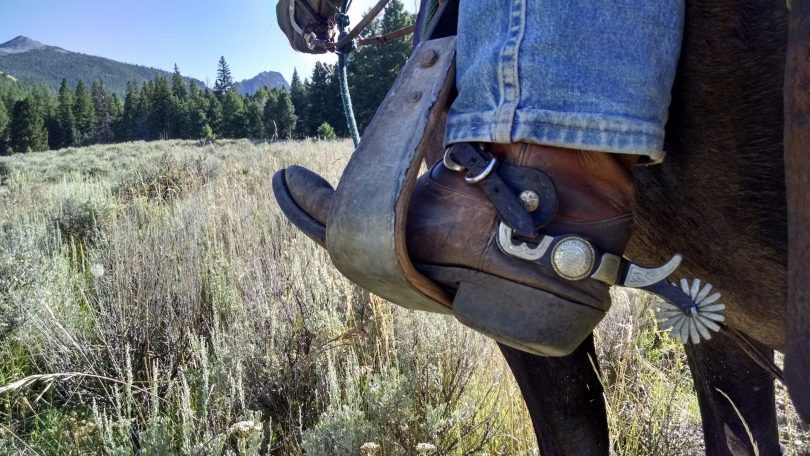
Born in the dust and sunbaked plains, cowboy boots carried the grit of the frontier and were sturdy companions to cowboys and ranchers who rode hard and lived harder. They were more than mere footwear; they were talismans of resilience, shaped by the rugged landscapes and relentless labor that defined the American West.
As the silver screen flickered to life in the mid-20th century, these boots stepped boldly into legend. Hollywood Westerns cast their long shadows, with icons like Roy Rogers and John Wayne embodying a fierce, untamed spirit. Their boots became symbols not just of function, but of an idealized rugged masculinity, a mythos stitched into the fabric of American culture.
Meanwhile, the soulful twang of country music carried the rhythm of the West across borders and time. Legends like Hank Williams and Johnny Cash donned their Western boots like badges of honor, spreading their influence far beyond dusty trails to the hearts of listeners worldwide. Through film and song, the cowboy boot transformed into an enduring emblem of freedom, grit, and the enduring call of the open range.
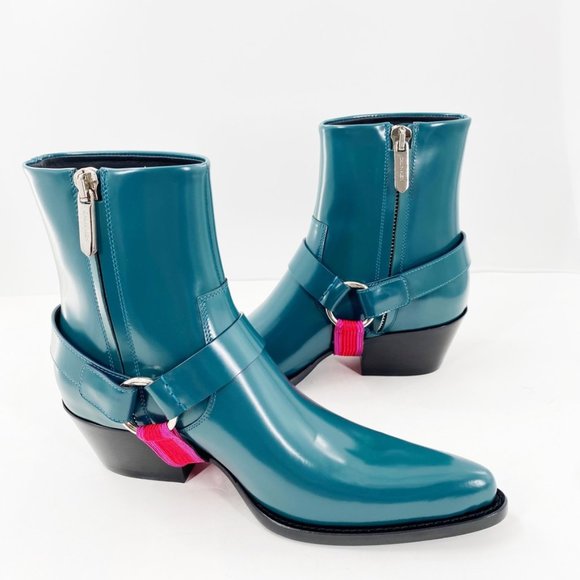
In the 1980s and 90s, cowboy boots experienced a resurgence in popularity thanks to the rise of Western-inspired fashion trends. Designers like Ralph Lauren and Calvin Klein incorporated cowboy boots into their collections, and celebrities like Madonna and Lady Gaga helped to turn these into fashionable accessories.
Today, cowboy boots remain a fashionable accessory, worn by both men and women in a variety of styles and colors. This transformation from a practical piece of footwear to a worldwide fashion item is a testament to the enduring appeal of cowboy boots’ timeless design and cultural significance.
FETISH BOOTS
Boots are more than footwear—they are potent symbols charged with power, desire, and dominion. In the shadowy crossroads of fashion and fantasy, certain boots—thigh-highs, platforms, stilettos—become instruments of seduction and control, wielding an almost primal command over gaze and space.
Their towering shafts and razor-sharp heels don’t just elevate the body—they elevate status, power, and raw erotic energy. Crafted from gleaming leather, slick latex, and patent materials that catch the light like liquid fire, these boots transform legs into weapons of allure and dominance, blurring the line between protection and provocation.
Rooted in history and rebellion, fetish boots draw their power from a lineage of control and liberation alike. The knee-high boots of the ’60s, worn by icons like Nancy Sinatra, roared with the spirit of sexual revolution, turning women into fearless architects of their own desire. But beneath this fierce freedom lies the echo of authority: leather and rubber, materials long associated with soldiers, police, and enforcers, evoke discipline and restraint, turning fetish boots into symbols of both submission and command.
Every buckle, every strap is a coded message—a nod to bondage, restraint, and the intoxicating tension between power and surrender. The dark countercultures of punk and goth seized these boots as badges of defiance and transgression, amplifying their aura of danger and dark allure.
Yet, beyond the charged symbolism, boots endure as timeless allies, built for strength, resilience, and uncompromising style. They guard, they protect, but above all, they declare: this is power worn boldly, a challenge thrown down with every confident step. Boots are no mere shoes; they are a statement, a ritual, a rebellion wrapped around the legs—and the fire within.
 Words Have Power