
Fashion is a restless river, forever shifting, reshaping itself with every tide of society’s desires, fears, and dreams. What once served a simple purpose, protection, function, became a canvas for art, identity, and rebellion. Clothes and shoes transformed into symbols, reflections of cultural moods, social codes, and the evolving dance of sexuality and morality.
By the mid-14th century, fashion had already become a powerful language, one that wielded judgment and exclusion like a sharpened blade. It was extravagance and excess, a stage for wealth and status, where the right shoe or garment could elevate or condemn.
Take Louis XVI’s brother, Count d’Artois—a renowned shoe aficionado who reportedly ordered 365 pairs of shoes each year. His obsession outshone even Marie Antoinette’s famed indulgences. Yet, in the muddy, grimy courts of 18th-century France, shoes were as disposable as the dirt they shielded against, replaced daily by those who could afford such luxury.
The Turning Point For Shoes
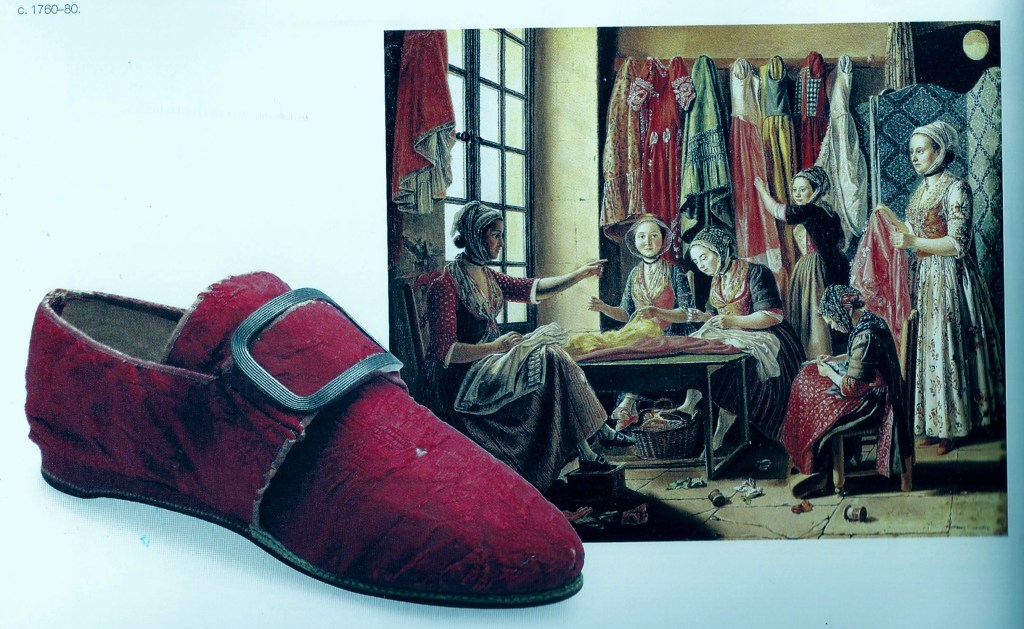
Until the 14th century, shoes for men and women were similarly fashioned, sporting flat soles and almond-shaped toes. With the shortening and tightening of clothing, in the mid-14th century, for both men and women, shoes came into full view for the first time, and this caused ripples throughout all of society. Shoes had become as important as a hat, and needed to be “au courant,” lest one wanted to be the brunt of ridicule.

This was a turning point for shoes, when they went from being a necessity to becoming a fashion statement and an indicator of societal status, which still holds true to this day. The infamous first lady, Imelda Marcos, was heavily criticized for her collection of fancy footwear, amounting to 3000 pairs of shoes. She was a hard contender to beat. Some quick calculations clearly demonstrate that with 3000 pairs of shoes, to her name, Imelda Marcos could not have worn the same pair of shoes more than once, for a period amounting to eight years.
Platforms, pumps, stiletto-heeled sandals, or ballerina flats, shoe trends come and go and return. An ongoing debate has been raging since the late 1800s, with regard to high heels, posture, and related injuries, and pointed toes were also put into question. Health concerns influenced the mainstream, and by 1904, the masculinization of women’s footwear was well underway. These concerns resurfaced again decades later, which gave birth to Dr. Scholl and Birkenstock shoe Brands.

Few fashion items have stirred as much passion, and controversy, as shoes. In 1939, the editor-in-chief of American Vogue pleaded with the Fashion Guild to curb the rising craze for open-toed, open-backed shoes. Representing the conservative tastes of many women of the time, she championed the cause of the classic closed shoe. The real bone of contention wasn’t just style, but the practical, and scandalous, problem of stockings. Back then, stockings were reinforced at the toes and heels, a subtle detail that made bare toes look downright improper. Going bare-legged? Absolutely unthinkable.
Everything changed in 1940 when stockings without toe and heel reinforcements finally hit the market. From that moment, the allure of open-toed shoes became unstoppable. By the 1990s, comfort and freedom won out, bare legs, bare toes, and bold new styles became the norm.
The early 20th century saw the arrival of new heel styles that reshaped the landscape of footwear. The 1930s were dominated by Oxford pumps and delicate sandals, while toe-baring sandals first strutted onto the scene as beachwear in the late 1920s. Platform shoes, too, made their debut in the late 1930s, originally confined to sandy shores, but their chunky soles would make a dramatic comeback, reinvented time and again by daring designers over the decades.

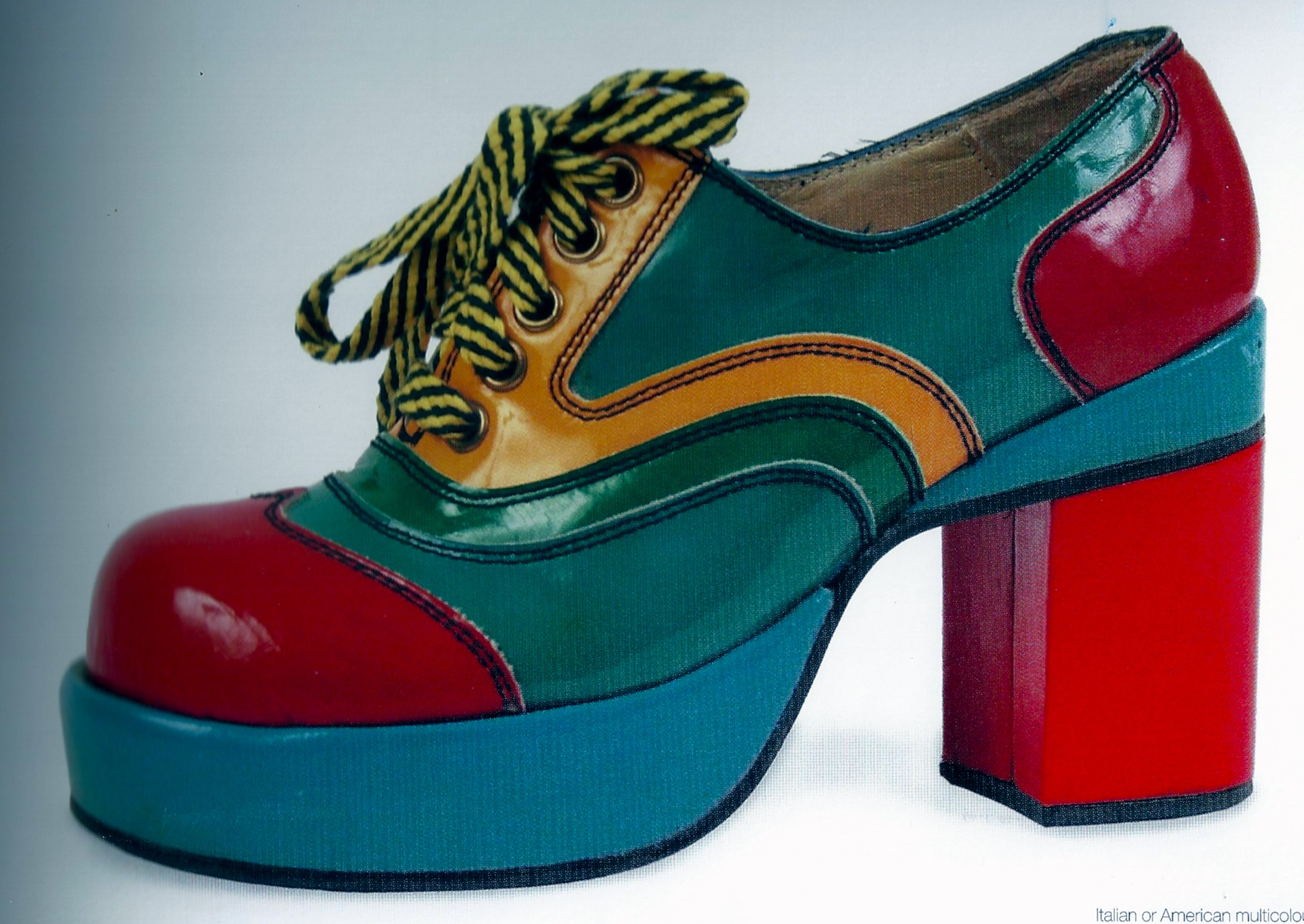
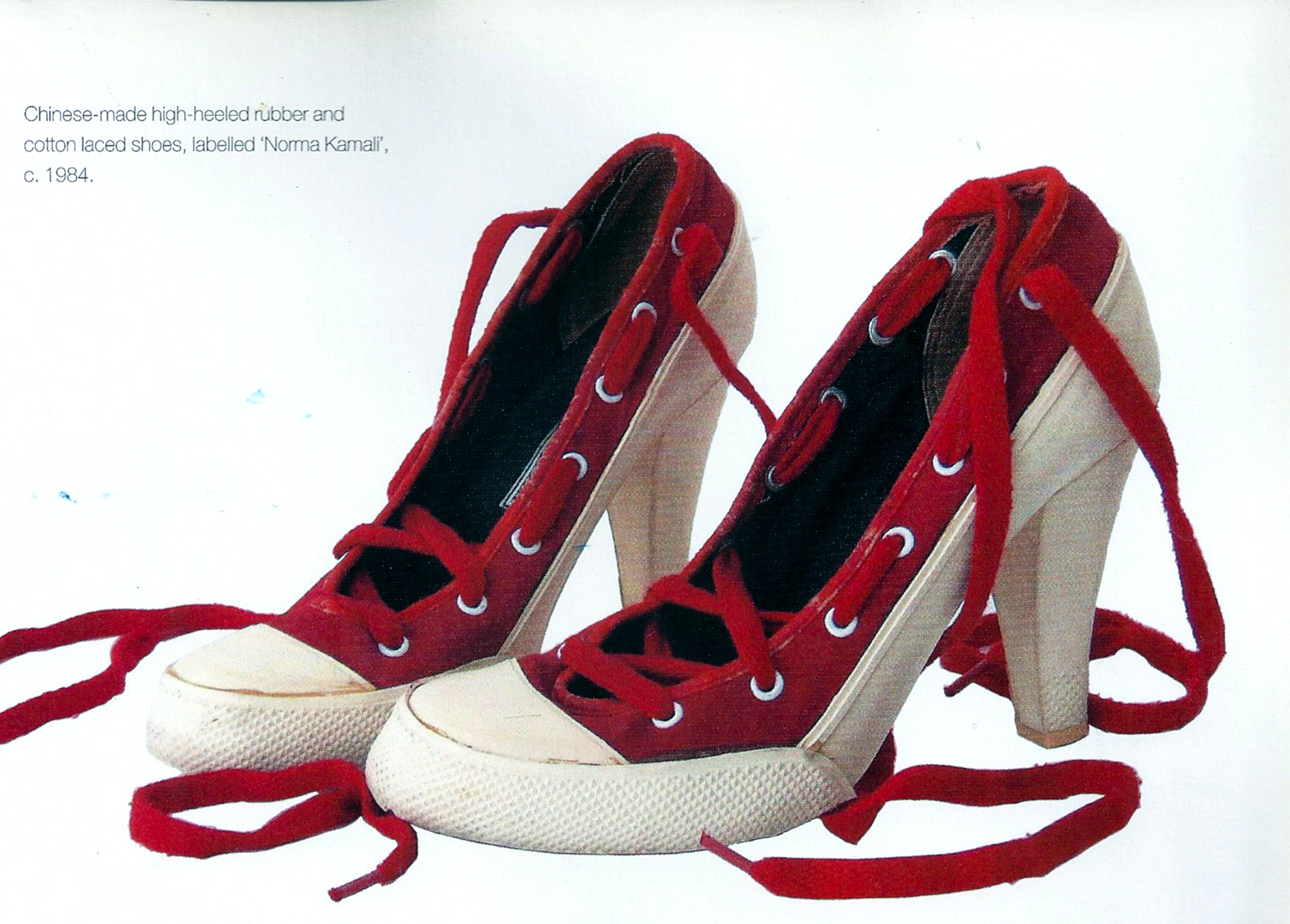
If 19th century rules of fashion, whereby popularity was the ruler by which a design’s success was measured, were applied in today’s market, then it would be correct to say that the biggest selling shoe style of the past 80 years has been the rubber soled trainer, which went on to take many shapes and styles. The personal fitness rage, which took over the 1980s, ushered in some creative takes on sports footwear, including sneakers with stiletto heels.

Boots And Wartime Restrictions

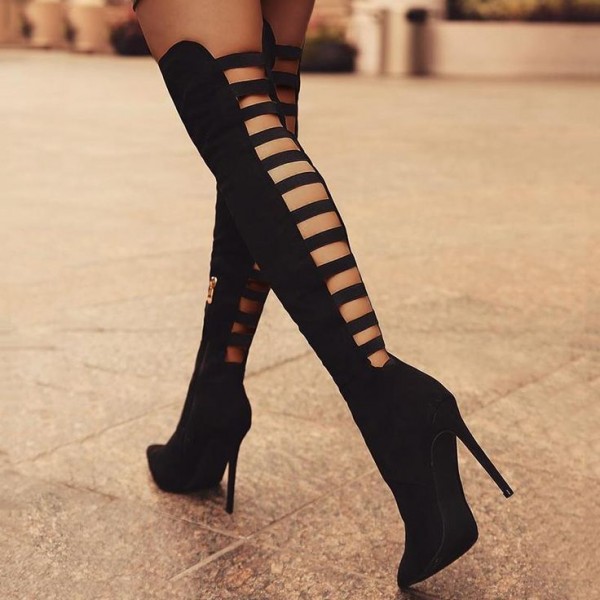
Until the late 1780s, women’s boots were bound to the saddle, worn almost exclusively for horseback riding. But slowly, the rhythm of walking feet and the rise of new pastimes, bicycling and promenading, called for a shift. Boots stepped down from the horse and into everyday life, their popularity growing with every stride. As skirts lifted and hemlines rose, boot shafts climbed higher, tracing the changing silhouette of fashion.
Yet, the shadows of war cast a limit on this ascent. In 1917, with leather diverted to military needs, England imposed a strict cap: boots could rise no taller than eight inches. A measure of necessity that momentarily tamed their boldness.
Since then, boots have journeyed far beyond practicality. Today, they serve both purpose and passion, whether rugged work boots, rebellious motorcycle boots, or daring climbing boots. For many, boots are not just protection or utility but powerful emblems of style, attitude, and seduction.
American Nylon Stockings Boots with Plexiglass heels – 1967-


Shoes And Sexuality

“Shoes figure prominently in stories and fairytales, including Cinderella (a highly sexualized tale in it’s more original versions), Puss ‘n’ Boots, Seven League Boots, The Wizard of Oz, The Red Shoes, and The Old Woman Who Lived In A Shoe, as well a more contemporary tales. Shoes and our desire for them are the objects of art, satire, museum exhibitions, and films. And they are the objects of a growing number of histories, catalogs, essays, and tributes…As all of this attention suggests, what we wear on our feet is far from a matter of indifference or utilitarianism”
It has been reported that 80% of shoes are bought for purposes of sexual attraction.
Since the mid 14th century, fashion has faithfully continued to be influenced by popular culture. Designers have since skillfully broken the boundaries of gender roles and identities in clothing and footwear. Take for example these Oxford Pump knock offs for men.

We’ve seen futuristic shoe design such as the self-lacing Nike or gravity defying moonwalker boots, and maybe these are an indication of what to expect in the future of shoe design. However if we’re to use the last 700 years, in the history of shoe design, as any indication of what to expect in the future, then it is safe to say that shoe design will continue to take inspiration from the past, and add a new twist or some extras. here and there. There is rarely a style that is completely new. Take for example these black leather colonial pumps, with silver buckles, by John Fluvog c. 1984.

The Future Of Shoe Design
These were clearly influenced by colonial Fashion, which in turn was influenced by earlier trends dating as far back as the 14th century France, flat with exaggerated pointy toes.
These leather pumps by John Fluvog were clearly inspired by Colonial fashion, which in turn had found inspiration in earlier designs, as far back as 1795, as can be clearly noted in the long pointed toes and flat heels. Buckles were also trendy for men’s shoes as far back as 1760 France.

The consensus is that the future of shoe design will be centered around sports and comfort. I am willing to wager that shoes who’s sole purpose is seduction, even at the price of comfort, will continue to be coveted and desired by both men and women, far into the distant future.
SOURCES
- The Seductive Shoe by Jonathan Walford
- Psychology Today
 Words Have Power
Exceeeelent….I shall have a read xoxoxoxo
LikeLike